



Mukeke
Background and Origin
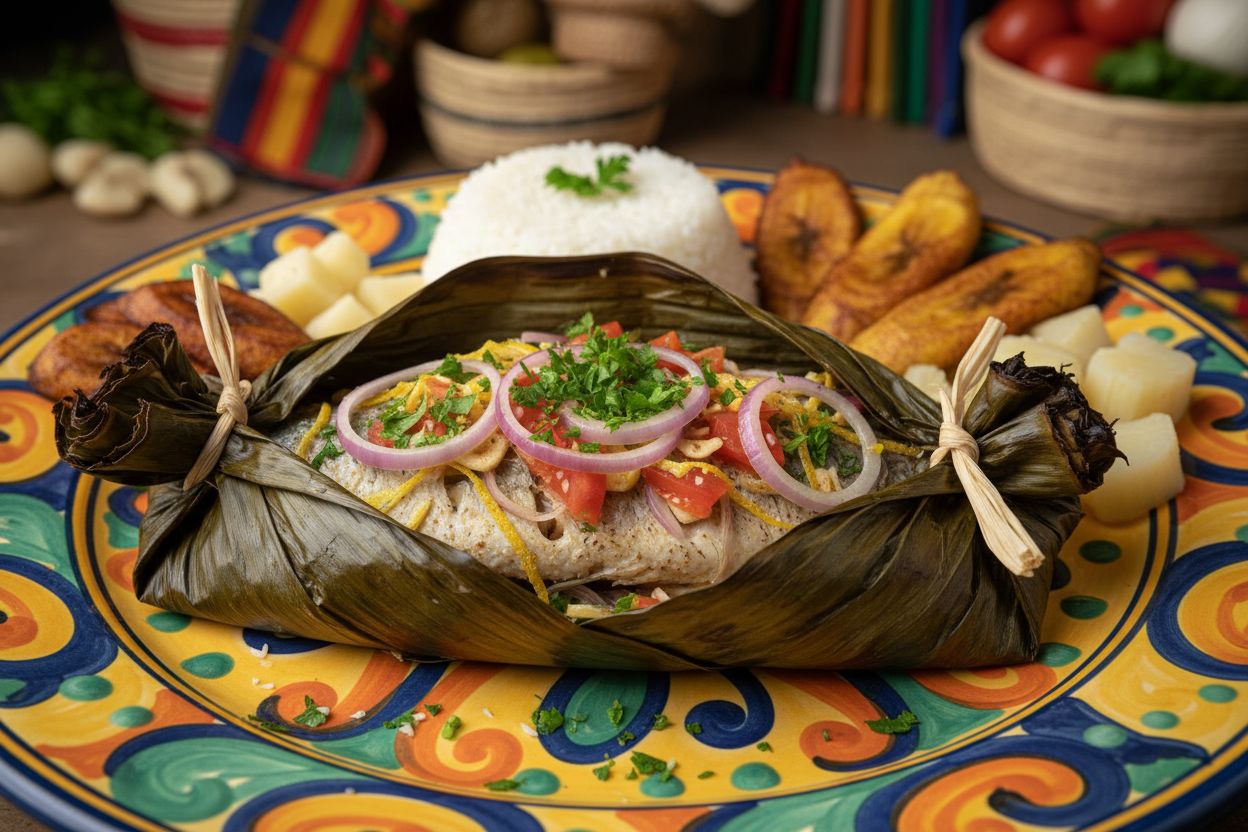
Mukeke is a signature lake fish treasured along the shores of Lake Tanganyika, where market grills perfume the air and home cooks celebrate fresh catch with bright, simple seasonings. The tradition emphasizes clean, confident flavors: citrus to lift the natural sweetness, aromatic alliums for depth, and a touch of heat. In many lakeside towns, vendors rub whole Mukeke with a lively mix of crushed garlic, tart lemon, and a little vegetable-oil, then char it over coals, sometimes tucked into a soft, flame-kissed banana-leaf. The fish is often served with homey staples—steamed rice, tender cassava, or golden fried plantain—and a simple relish of chopped onion, ripe tomato, and fresh parsley, brightened with more lemon and a pinch of salt. What makes Mukeke special is the balance: clean lake flavors and the gentle smokiness of the fire, accented by just enough chili and a whisper of black-pepper to keep each bite lively.
Ingredients
- 1 whole mukeke, scaled and gutted (about 1–1.5 kg)
- 1 lemon, zested and juiced
- 3 cloves garlic, finely minced
- 1 small onion, thinly sliced
- 1 ripe tomato, chopped
- 2 tablespoons vegetable-oil, plus more for brushing
- 1 teaspoon salt, or to taste
- 1/2 teaspoon black-pepper
- 1 small fresh chili, finely chopped (adjust to taste)
- 1 small handful parsley, chopped
- Optional: 1 large banana-leaf, softened over gentle heat
- To serve (choose any): boiled cassava, fried plantain, or steamed rice
Preparation
- Clean and score: Rinse the mukeke and pat completely dry. With a sharp knife, make shallow diagonal slashes on both sides. This helps the lemon and garlic penetrate and seasons the fish all the way to the bone.
- Make the marinade: In a small bowl, combine the juice and zest of the lemon, the minced garlic, the vegetable-oil, the salt, the black-pepper, and the chopped chili. Stir in half of the chopped parsley. Taste and adjust salt, black-pepper, and chili as you like.
- Season the fish: Rub the marinade all over the mukeke, making sure to work it into the slashes and the cavity. Let it sit while you prepare the relish so the lemon, garlic, and chili can mingle with the fish.
- Quick relish: In another bowl, toss the sliced onion, chopped tomato, the remaining parsley, a small squeeze of lemon, and a pinch of salt. Set aside; this will top the hot fish just before serving.
- Optional wrap: If you like a gentle, smoky steam, soften a banana-leaf over low flame or a hot pan until pliable. Wrap the marinated mukeke snugly; brush the outside with a little vegetable-oil.
Cooking Process
Grill Method
- Preheat and prep: Heat your grill until the grates are hot. Brush the grates with vegetable-oil to minimize sticking.
- Grill the fish: Place the mukeke directly on the oiled grates (or on the wrapped banana-leaf). Cook, turning once, until the skin is well marked and lightly blistered and the thickest part of the flesh flakes easily when pressed. Brush lightly with vegetable-oil as needed to keep the exterior supple.
- Season to finish: As soon as it comes off the grill, sprinkle a little salt, add a crack of black-pepper, and squeeze a touch of lemon over the top.
Stovetop or Oven Method
- Pan-roast: Heat a wide skillet until hot and add a thin film of vegetable-oil. Lay in the mukeke and cook until the skin takes color, then flip and continue until the flesh flakes easily. If the fish is very thick, reduce the heat to finish gently so it stays juicy.
- Oven-bake: Place the marinated mukeke on a tray lined with a softened banana-leaf or lightly brushed with vegetable-oil. Bake until the flesh is opaque and pulls cleanly from the bone, brushing once with a little more vegetable-oil to keep the surface moist.
How to Serve and Enjoy
Transfer the hot Mukeke to a platter and spoon over the fresh relish of onion, tomato, and parsley. Add a bright squeeze of lemon and a final pinch of salt to make the flavors pop. Offer extra chopped chili on the side for those who love heat, and set out a small dish of black-pepper for at-the-table finishing. Pair with your choice of boiled cassava, fried plantain, or steamed rice; the mild starch soaks up the savory juices. A light drizzle of warm vegetable-oil just before serving adds a glossy finish and helps the citrus and aromatics cling to each bite.
Tips and Variations
- Leaf-wrapped aroma: The optional banana-leaf wrap locks in moisture and gently perfumes the fish. It is especially helpful if your grill tends to run hot.
- Heat control: Adjust chili to taste. If serving a mixed crowd, keep the base mild and offer extra chopped chili at the table.
- Citrus balance: If your lemon is very tart, temper with a pinch more salt to round the flavor; the goal is bright, not sour.
- Relish refresh: Add a touch more chopped parsley to the relish right before serving so it stays vibrant against the warm fish.
- Side ideas: Crisp-edged plantain, tender cassava, or fluffy rice each offer a different texture canvas for the juices and the tomato relish.
- Finishing touch: A scattering of freshly ground black-pepper and a light brush of warm vegetable-oil right before serving gives the surface an appetizing sheen.
Storage and Reheating
Leftover Mukeke can be flaked from the bones and folded into hot rice with a squeeze of lemon, a hint of chili, and a spoon of vegetable-oil. Keep the remaining relish of onion, tomato, and parsley separate so it stays crisp. When reheating, warm the fish gently so it doesn’t dry out; finish with a touch of salt, a breath of black-pepper, and a squeeze of lemon to brighten it again.
Why This Works
The clean seasoning of lemon, garlic, and salt supports the natural sweetness of Mukeke without masking it, while a measured touch of chili and black-pepper creates gentle heat. A brief rest in the marinade lets the flavors permeate, and cooking over high heat—on a grill, in a hot pan, or wrapped in banana-leaf—delivers a succulent interior with a lightly crisp exterior. The fresh relish of onion, tomato, and parsley provides contrast in temperature and texture, while classic sides like cassava, plantain, or rice turn the fish into a satisfying meal.