

Difficulty
Standard

Prep Time
45 min

Cost
Medium
Calories
320
Protein
6g
Sugar
18g
KEEP COOKING
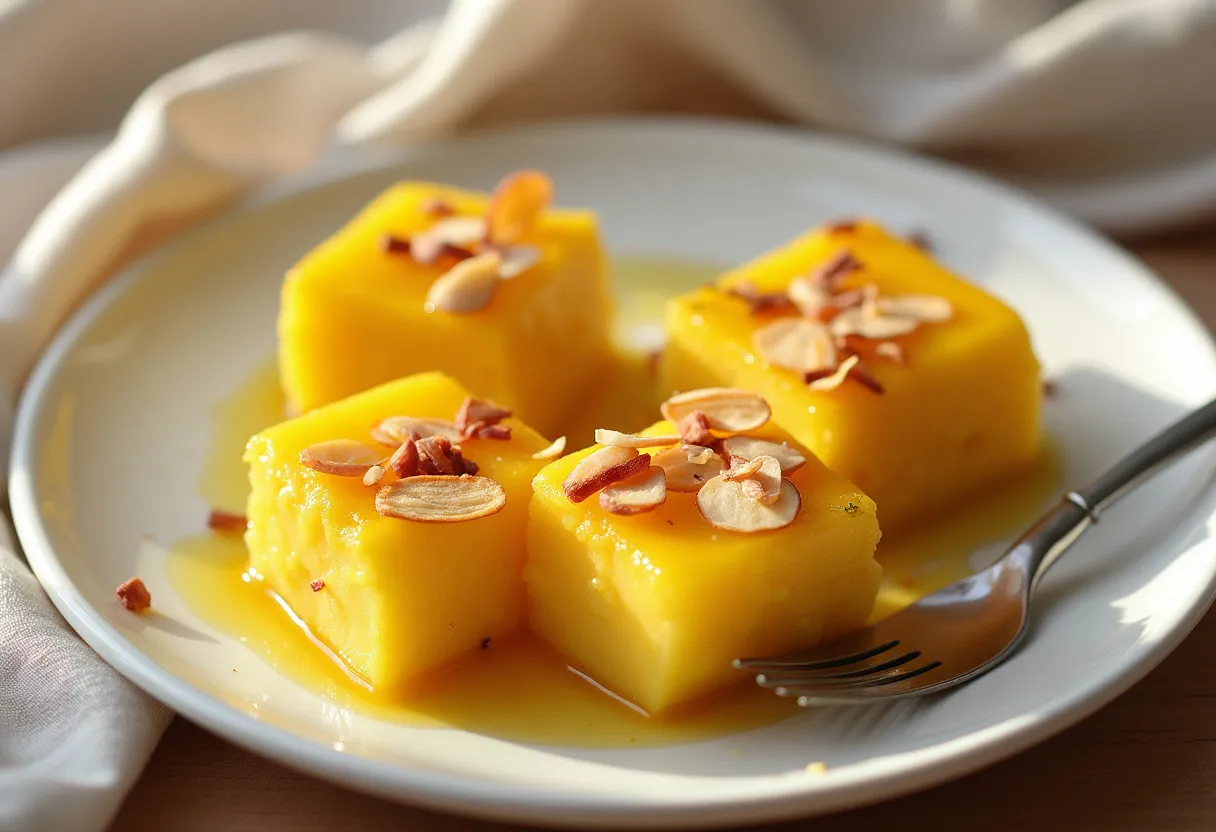
Tunisian Zrigat is a beloved traditional dish known for its unique combination of textures and flavors. This traditional Tunisian offering brings together a creamy, spicy, and slightly sweet taste that has been passed down through generations. While relatively simple in its core ingredients and preparation, Zrigat captures the essence of Tunisian culinary traditions. The dish provides a window into the cultural tapestry of Tunisia, drawing influences from Mediterranean and North African cuisines.
Before diving into the preparation of this classic dish, it's essential to gather all the necessary ingredients, each playing a vital role in achieving the authentic taste of Tunisian Zrigat.
Tracing its roots in the rich culinary history of Tunisia, Zrigat is emblematic of the region's ingenuity in balancing diverse flavors. Traditionally, Zrigat was part of celebrations and communal gatherings, offering a soothing concoction post-meal. This dish evolved as Tunisians creatively used available semolina to craft a porridge-like comfort, enhancing it with locally-sourced ingredients like olive oil and harissa. The incorporation of saffron and rose water reflects Arab influences, a lasting homage to Tunisia's vibrant historical exchanges.
Preparing Tunisian Zrigat involves a few straightforward steps, making it accessible even to novice cooks. The process hinges on simplicity and highlights the versatility of semolina.
Cook until the semolina thickens and all flavors marry well, which generally takes around 15-20 minutes. For precise timing, refer to a cooking timer to avoid over-thickening.
Traditionally, Zrigat is served warm, best enjoyed freshly made to savor the full spectrum of its taste and aroma. Serve it in shallow bowls, allowing guests to experience the delight of almonds popping against the creamy base. Zrigat can be paired with hot mint tea, another staple of Tunisian cuisine, enhancing its soothing qualities. Garnish with an extra drizzle of olive oil for richness or more rose water if a floral highlight is desired. This dish can serve as both a comforting breakfast or a unique dessert option after a traditional Tunisian meal.