

Difficulty
Standard

Prep Time
40 min

Cost
Medium
Calories
220
Protein
5g
Sugar
15g
KEEP COOKING
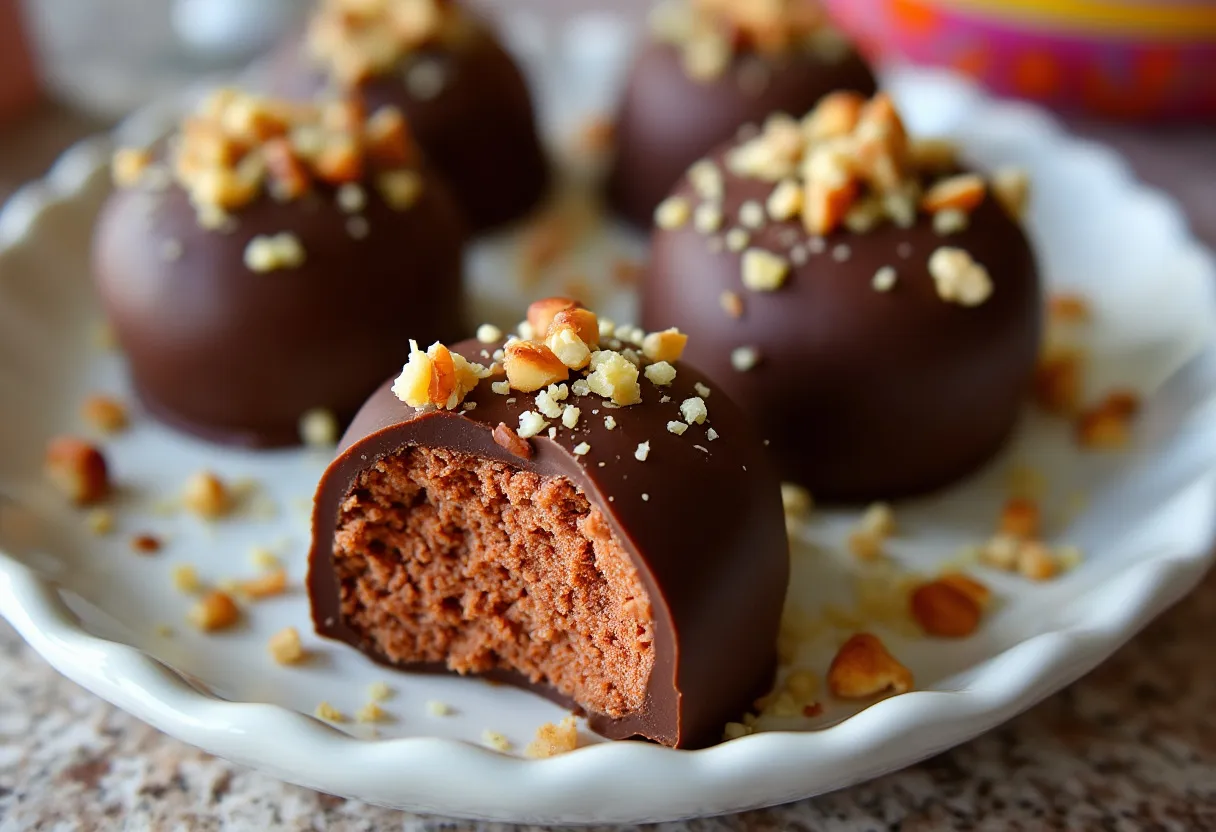
The Arequipa Inka Bonbon is a delightful dessert originating from the historic city of Arequipa in Peru. Known for its rich culinary legacy that is deeply influenced by both indigenous and Spanish cultures, Arequipa offers many sweet treats, but the Inka Bonbon stands out due to its unique blend of local ingredients like cocoa, quinoa, and maca. This bonbon is a tribute to both the vibrant city and the Inka civilization's traditional ingredients.
Arequipa is often called "The White City," named after its stunning buildings made from sillar, a white volcanic stone. The city has a rich history dating back to the Inkan Empire, blending Inkan traditions with Spanish influences. Desserts found in Arequipa, like the Inka Bonbon, are characterized by their mixture of native superfoods and international flavors brought by Spanish settlers. The bonbon's combination of cocoa, quinoa, and maca reflects this culinary integration perfectly.
Making Arequipa Inka Bonbon is a straightforward process that beautifully combines traditional methods with gourmet techniques. The key to mastering this recipe is the continuous stirring of the cocoa and condensed milk mixture to ensure a smooth, creamy texture. This process may take some time, but it allows the flavors to meld perfectly.
The addition of quinoa gives the bonbon its unique texture; cooking it just long enough allows it to maintain a bit of its natural crunch, providing an interesting contrast to the smoothness of the chocolate. Meanwhile, the inclusion of maca powder not only boosts the nutritional value but brings a hint of earthiness to the bonbon, harmonizing the flavors.
Once the mixture is resting in the fridge, the ingredients will settle and firm up, making the final preparation a crisp, solid texture perfect for serving.
The Arequipa Inka Bonbon is best enjoyed with a fresh cup of Peruvian coffee or tea. The deep chocolate notes from the cocoa, combined with the softly sweet condensed milk and slightly nutted taste of quinoa, make it a perfect match with these beverages.
For a truly authentic experience, serve the bonbons on a traditional ceramic dish accompanied by an assortment of local fruits, such as mango or papaya, which complement the sweet and earthy dessert beautifully. These bonbons make a great addition to dessert platters for special occasions or as a sweet treat to elevate a quiet afternoon.