



Qurut
Background
Qurut is a venerable Central and West Asian pantry staple made by concentrating and drying cultured dairy, traditionally from strained yogurt enhanced with a measured amount of salt. The result is a firm, shelf-stable ball or pellet that stores for months, ready to be grated, dissolved, or crumbled into sauces and soups. Across the region, families have long shaped their own batches at the end of peak dairy seasons, sometimes adding aromatics like garlic and herbs such as mint for nuanced character. In day-to-day cooking, a piece is softened with water to create tangy bases for stews, dumpling sauces, noodle dressings, and spreads. This recipe walks you through a small-batch approach that captures the essence of the traditional method while keeping the steps straightforward at home.
Ingredients
- 2 kg full-fat yogurt
- 1.5–2 tbsp fine salt (non-iodized preferred)
- water (for moistening hands and later reconstitution)
- 1–2 cloves garlic (optional, finely grated)
- 1 tsp dried mint (optional, crumbled)
Equipment
- Heavy pot and wooden spoon
- Fine-mesh strainer and cheesecloth
- Large bowl
- Tray or wire rack for drying
- Clean gloves (optional) for shaping
Before you start
Because Qurut is concentrated, the quality of your base matters. Choose rich, tangy full-fat yogurt. Seasoning is crucial: the level of salt not only seasons but also supports preservation. If you plan to flavor the batch, keep additions restrained so the distinctive cultured note of the yogurt remains central; a touch of garlic or a whisper of dried mint can be lovely without overwhelming the base. Have some cool water nearby for handling and for testing dissolution later.
Step-by-step preparation
- Season the base: In a heavy pot, whisk the full-fat yogurt until smooth. Sprinkle in 1.5 tbsp salt, stir thoroughly, taste, and add up to another 0.5 tbsp salt if your palate prefers a more assertive cure. Optional: fold in the grated garlic and the dried mint now.
- Strain for body: Line a strainer with cheesecloth and set it over a bowl. Pour in the seasoned yogurt. Gather the cloth and let gravity work for about 12–24 hours, gently pressing once or twice. This concentrates flavor and reduces free moisture for better drying.
- Gently cook down: Transfer the thickened mass back to the pot. Cook over low heat, stirring constantly with a wooden spoon, until very thick and glossy, about 30–45 minutes. Aim for a paste that holds ridges and pulls cleanly from the sides. If needed, adjust with a pinch more salt.
- Cool and test: Let the paste cool until comfortable to handle, around 15–20 minutes. Dampen your hands with a little water to prevent sticking. Roll a small piece into a ball; it should feel dense and cohesive, not tacky. If tacky, cook a few minutes more; if crumbly, knead in a teaspoon of water.
- Shape: With slightly moistened hands (use water sparingly), pinch off walnut-size portions and roll smooth balls or form flat disks. Set them on a lined tray with a little space between each. Lightly mist your palms with water as needed, but keep the surface of each piece dry.
- Surface-dry: Air the shaped pieces at room temperature for about 1–2 hours to form a thin skin that discourages sticking during the long dry.
- Dry fully: Choose one method. Sun/air: place in a breezy, shaded spot with good circulation, turning periodically, until hard and bone-dry, typically 1–3 days depending on climate. Dehydrator: run on low until fully dry, generally 12–24 hours. Oven: use the lowest setting with the door slightly ajar until crisp, often 6–10 hours.
- Cure and store: Once dry and cool, keep Qurut in an airtight jar in a cool, dark place. If you used garlic or mint, ensure dryness is thorough before storage. To use, reconstitute with warm water to your preferred thickness and adjust with a pinch of salt if desired.
Tips for success
- Salt matters: Non-iodized salt keeps flavors clean. Because Qurut is concentrated, small differences in salt can feel amplified; start modest and build.
- Flavor restraint: A little garlic or dried mint goes far. You can always bloom more flavor when you reconstitute with water later.
- Even drying: Rotate pieces so all sides firm evenly. In humid climates, a dehydrator can outperform ambient air.
- Consistency check: If reconstituted Qurut seems too intense, simply add more water; if too mild, reduce the added water and stir in a tiny pinch of salt.
How to enjoy
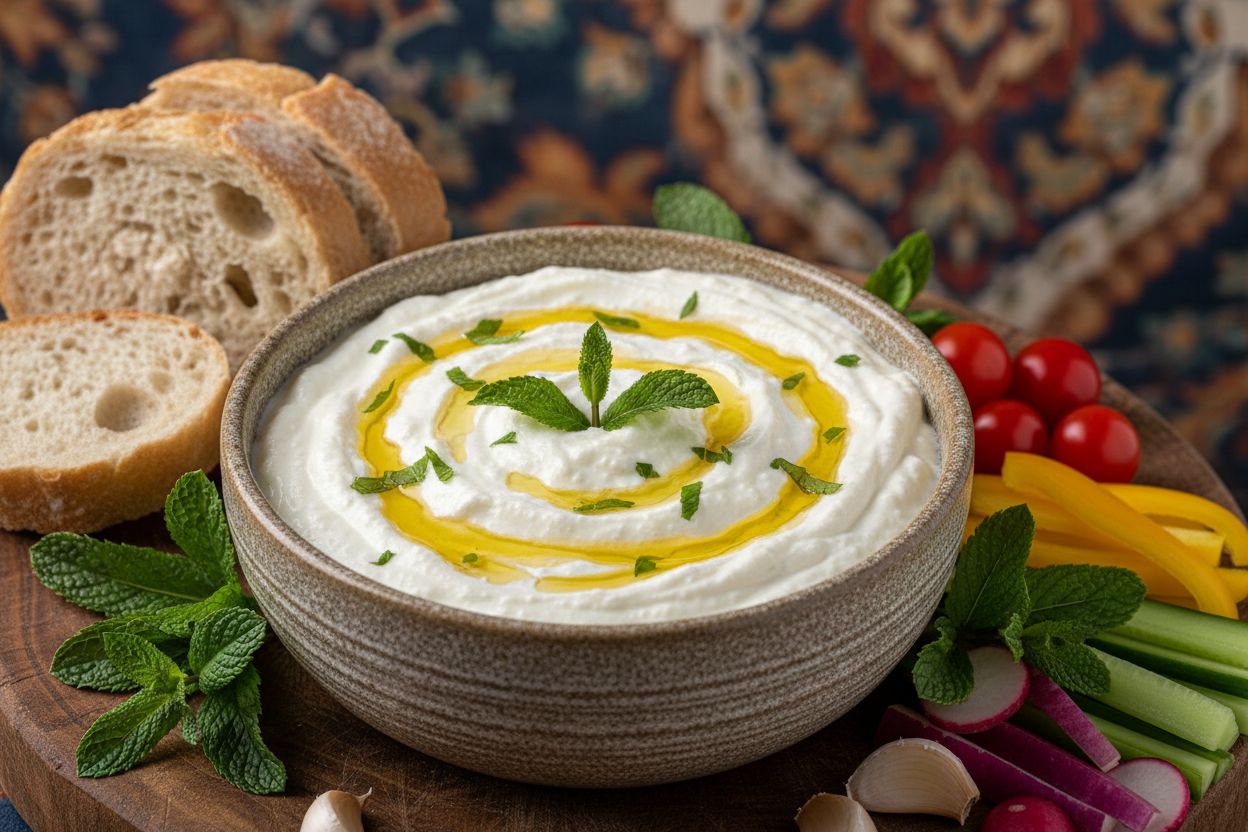
Qurut shines as a quick, tangy flavor base. For a simple sauce, crush a piece in a mortar, then gradually stir in warm water until smooth and spoonable. For a garlicky-herbal version, add a pinch of grated garlic and a sprinkle of dried mint, plus a tiny dash of salt to balance. Let it stand for about 10 minutes so flavors meld, then spoon over dumplings, noodles, steamed vegetables, or warm flatbread. You can also whisk Qurut with warm water into soups at the end of cooking for a gentle tang, or fold a small amount into salad dressings where a touch of cultured richness is welcome.
Quick Qurut sauce (method outline)
- Crush Qurut to a fine powder; drizzle in warm water while stirring until it turns creamy.
- Season with a pinch of salt. Optional: add grated garlic and dried mint.
- Rest for 10 minutes, then adjust with more water for pourable texture.
- Serve over hot grains or dumplings, or as a tangy dip for warm bread.
Troubleshooting
- Too soft to shape: Cook the paste a bit longer, then cool for another 10–15 minutes. Lightly wet hands with water before rolling.
- Overly salty: When using, dilute with more water and avoid adding extra salt. You can also balance with herbs like a touch of mint.
- Drying stalls in humid weather: Switch to a dehydrator or a very low oven and extend drying by 2–4 hours as needed.
- Surface cracking: A tiny dab of water on the crack and a quick re-roll can smooth it; let pieces firm again before continuing to dry.
Storage and use notes
Keep finished Qurut completely dry and tightly sealed, away from heat and direct sun. For cooking, crumble a piece and whisk with warm water until it reaches the consistency you want. Taste and fine-tune with a pinch of salt, or perfume the mixture with a little garlic or dried mint depending on the dish.