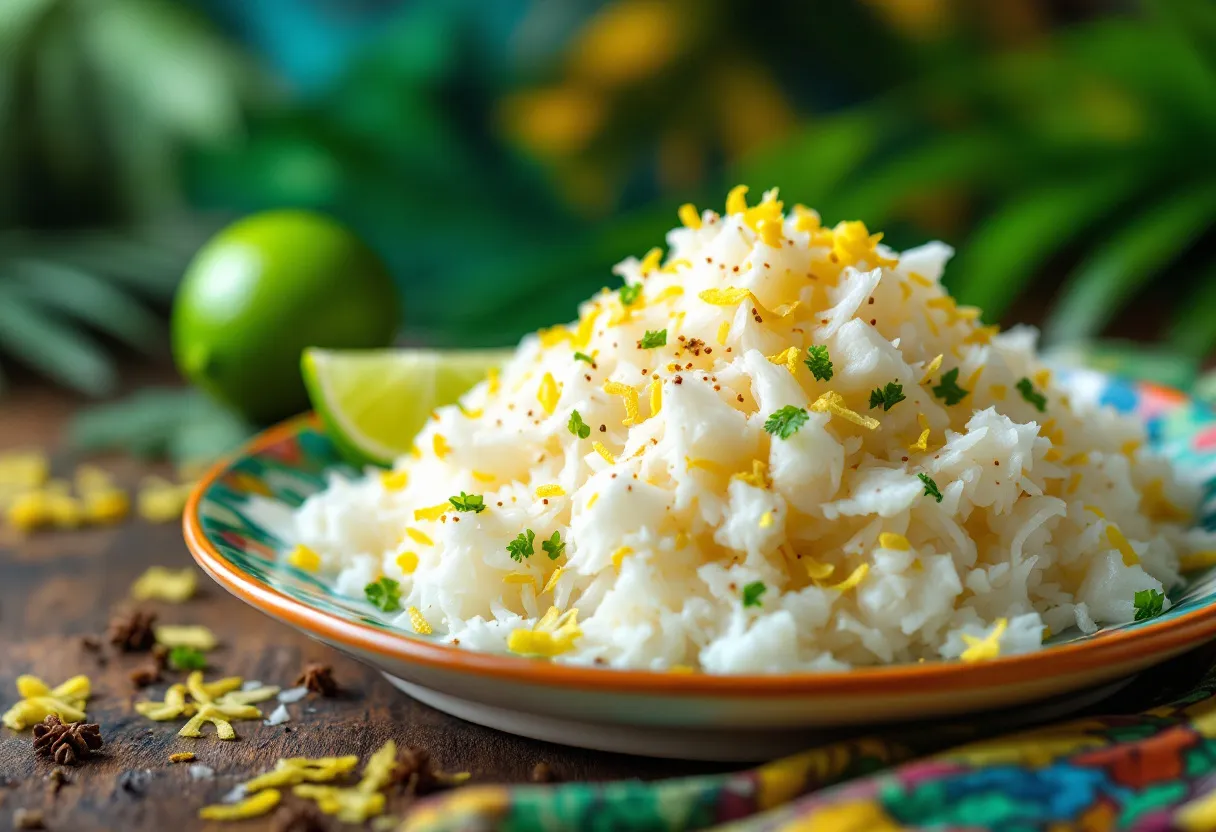
Cocada Carioca
Introduction to Cocada Carioca
Cocada Carioca is a beloved Brazilian confection that captures the essence of tropical indulgence through its primary ingredient: the coconut. This dessert, popular in Rio de Janeiro (hence the "Carioca" in its name), is a sweet counterpart to Brazil's vibrant and sunny beaches. Cocada has a rich history within Brazilian cuisine, traditionally made with simple yet flavorful components that highlight the locally sourced coconut. It mirrors the diverse culinary tapestry of Brazil, combining influences from indigenous, African, and Portuguese flavors.
The History of Cocada
The origins of cocada can be traced back to colonial Brazil, where sugar plantations were abundant, and coconut trees dotted the landscape. This confection became particularly popular in coastal areas, where fresh coconuts were readily available. Over time, the recipe spread across Brazil, with each region adding its unique twist. Today, cocada variants encompass a range of textures and flavors, including baked, soft, chewy, and even roasted varieties, but Cocada Carioca remains a staple, revered for its simplicity and authenticity.
Ingredients for Cocada Carioca
- Coconut (grated) – 2 cups
- Sugar – 1 1/2 cups
- Water – 1/2 cup
- Vanilla extract – 1 teaspoon
- Salt – a pinch
Optional Ingredients
For variations, you might consider these optional ingredients to add unique flavors:
- Sweetened condensed milk – 1/2 cup
- Clove (ground) – a pinch
- Lime zest – 1 teaspoon
Preparation
The key to perfect Cocada Carioca is in the balance of chewiness and sweetness, achieved through the careful reduction of the sugar syrup and even heat application.
Step 1: Prepare the Coconut
If using a whole coconut, begin by cracking it open and extracting the meat. Grate the coconut meat finely to form 2 cups of grated coconut. If using pre-grated coconut, ensure it's unsweetened to maintain control over the confection's sweetness.
Step 2: Cook the Sugar Syrup
In a medium saucepan, combine 1 1/2 cups of sugar with 1/2 cup of water. Stir over medium heat until the sugar dissolves completely. This mixture should come to a gentle simmer, forming a clear syrup. The syrup should reach the soft ball stage around 235°F (113°C) — ensuring a soft yet structured texture in the final product. You can use a thermometer or the spoon test method to check the readiness. Patience is key, as rushing this step could lead to crystalline or overly liquid cocada.
Step 3: Incorporate the Coconut
Once the syrup reaches the desired consistency, reduce the heat to low and gently stir in the grated coconut. Stir continuously to ensure every piece of coconut is coated with syrup. The mixture should be thick and sticky but not overly dry. Add a pinch of salt to enhance the flavors, and mix in the teaspoon of vanilla extract for an aromatic touch.
Complete Cooking Process
Step 4: Finishing the Cocada
Continue stirring over low heat until the mixture clumps together and pulls away from the sides of the pan. This process may take 5-7 minutes. The cocada is ready when it reaches a consistency similar to pliable dough. This consistency ensures that, once cooled, the cocada will hold its form without crumbling.
Step 5: Shaping and Cooling
For traditional Cocada Carioca shapes, use two spoons to form small mounds and place them on a parchment-lined baking sheet. Alternatively, spread the mixture onto a greased sheet to form a single block, which can be sliced into squares. Allow the cocada to cool entirely at room temperature or accelerate the cooling process in the refrigerator for at least 30 minutes.
How to Enjoy Cocada Carioca
This dessert is best savored in the company of friends and family, symbolizing the warmth and hospitality of Brazilian culture. Cocada Carioca can be enjoyed as a midday snack or part of a festive platter alongside other Brazilian delicacies such as brigadeiros or quindim. Pairing cocada with a strong espresso or tropical fruit juice can offer a delightful contrast to its sweet, rich flavor.
Tips for Sharing and Storing
Cocada Carioca is a versatile treat well-suited to gift-giving. Wrap individual pieces in wax paper for a personalized touch or serve them in decorative tins. Store leftover cocada in an airtight container at room temperature for up to a week, or refrigerate for up to two weeks. Avoid direct sunlight and heat exposure, as they can alter the texture.
Experimenting with Variations
For an added twist, try blending some sweetened condensed milk into the coconut mixture before shaping for a creamier texture. Alternatively, a dash of lime zest or a sprinkle of ground clove during cooking can introduce new layers of flavor, evoking the aromatic complexity of the Brazilian landscape.
With these steps and tips in mind, you're equipped to create and enjoy your own Cocada Carioca, bringing a taste of Brazil's history and culture into your home.